
AEDP® Immersion International 2027
Presented by Kari Gleiser, PhD
February 17–19 & 21–22, 2027 | Wednesday–Friday & Sunday–Monday | No Session Saturday
Scheduled at Times Accessible to Participants Across Europe, Africa, the Middle East, and Surrounding Regions
Taught in English, with Small-Group Experiential Work Available in Your Choice of English, Brazilian Portuguese, Greek, Hebrew, Italian, or Swedish
Live Online (Interactive Synchronous Distance Learning)
The dyadic repair of attachment trauma: healing at the edge of transformational experience
Description
The AEDP® Immersion course is a powerful, multi-day experience for therapists at any stage of their professional lives. Many who complete the training find their ‘perfect fit’ professional home in the AEDP model – and the AEDP community.
The Immersion course offers an in-depth exploration of AEDP psychotherapy’s transformative theory and practice. It includes not only lecture style didactic teaching but extensive use of real therapy video demonstrations plus one half day of small group experiential exercises accompanied by assistants, and opportunity for Q&A.
Participants can expect to graduate Immersion with both an understanding of the AEDP theory and hands-on skills to immediately put into practice with clients. It is an in-depth professional training that equips professionals to apply beginner level AEDP therapeutic techniques across diverse clinical populations.
And Immersion not only introduces AEDP psychotherapy, it explicitly facilitates the integration of the model into participants’ multi-modal clinical practices; this is especially true for those whose practices use other experiential, body-focused, trauma-based, relational and/or psychodynamic methods.
Hallmarks of Training
Faculty, experiential assistants and clinical video. These are the hallmarks of AEDP training. In AEDP, we pride ourselves in how thoroughly and deeply we seek to both undo professional aloneness and engage in rigorous clinical teaching. Our faculty are excellent as academics, clinicians and teachers.
Prerequisites
AEDP Immersion is open to all licensed mental health practitioners. See here for detailed eligibility requirements. This course is a prerequisite for the Essential Skills training. While it counts toward certification, you don’t need to be pursuing certification to attend.
Immersion Grad Benefits
Immersion graduates receive 6 months of complimentary AEDP Institute membership and, for a limited time, a $300 tuition reduction toward Essential Skills — supporting your continued development within the AEDP community.
Course Overview
OPEN TO VIEW COURSE OBJECTiVES
Explain the historical development of AEDP, identifying at least three key theoretical influences and how they shaped current AEDP practice.
Identify and explain the five foundational elements of AEDP, describing the theoretical basis and clinical significance of each element.
Describe at least three specific AEDP techniques for welcoming, affirming, validating, and offering encouragement to clients through role-play exercises.
Define and differentiate between “core affect,” “inhibitory affect,” and “defensive affect” in AEDP, providing clinical examples of each.
Describe at least three specific moment-to-moment AEDP clinical interventions that address different phases of emotional processing, providing clinical rationales for when each would be appropriately implemented.
Interpret the AEDP Triangle of Experience, accurately labeling its main categories and explaining how each influences observable client behaviors, emotional expressions, and verbal/nonverbal responses during therapy sessions.
Identify three specific aspects of the AEDP therapeutic stance that build safety and trust in the therapeutic relationship.
Define “transformance” in AEDP theory and identify three clinical manifestations of transformance in case examples.
Identify two specific AEDP interventions for addressing defensive responses, explaining the clinical indicators for each intervention.
Demonstrate three AEDP interventions for regulating anxiety and overwhelming affect during role-play scenarios.
Describe specific AEDP techniques to help clients stay with difficult emotional experiences during practice sessions.
Contrast standard therapeutic interventions and meta-therapeutic processing in AEDP (i.e., the deliberate exploration of successful therapeutic moments) by identifying at least four distinguishing features and explaining when to transition to meta-processing during therapy sessions.
Describe a sequence of at least three meta-therapeutic processing questions that effectively draw client attention to transformative moments, facilitate exploration of emotional shifts, and deepen the client’s experience of therapeutic change.
Demonstrate four specific AEDP interventions that help patients tolerate, experience, and express emotions, identifying which phase of treatment each is most appropriate for.
Successfully complete supervised role-play exercises demonstrating core AEDP techniques with feedback-based improvement.
Evaluate case presentations using AEDP principles in small group settings, identifying appropriate interventions for at least three different clinical scenarios.
Agenda CET (Italy and Sweden)
Italy & Sweden
CET
DAY 1
9:00–9:30 AM Welcome, In-it-Together, Course Overview
9:30–11:00 AM Introduction to AEDP’s Theoretical Roots (pt. 1)
11:00–11:15 AM Break
11:15 AM–12:45 PM Introduction to AEDP’s Theoretical Roots (pt. 2)
12:45–1:45 PM Lunch
1:45–3:15 PM The 4 State Transformational Process: The Phenomenology of Change (pt. 1)
3:15–3:30 PM Break
3:30–5:00 PM The 4 State Transformational Process: The Phenomenology of Change (pt. 2)
5:00–5:30 PM Summary, Q&A, Personal Reflections
DAY 2
8:45–9:00 AM Tech Orientation
9:00–9:30 AM Reflections & Questions from Day 1
9:30–11:00 AM Experiential Work in AEDP: Bringing the Mind and Body Together (pt. 1)
11:00–11:15 AM Break
11:15 AM–12:45 PM Experiential Work in AEDP: Bringing the Mind and Body Together (pt. 2) (Introducing Portrayals)
12:45–1:45 PM Lunch
1:45–3:15 PM Working Experientially with Relatedness: Undoing Aloneness, Dyadic Regulation and Corrective Experiences (pt. 1)
3:15–3:30 PM Break
3:30–5:15 PM Working Experientially with Relatedness: Undoing Aloneness, Dyadic Regulation and Corrective Experiences (pt. 2)
5:15–5:30 PM Summary, Q&A, Personal Reflections
DAY 3
9:00–9:30 AM Reflections & Questions from Day 2
9:30–11:00 AM Moment to Moment Tracking
11:00–11:15 AM Break
11:15 AM–12:45 PM Guest Presentation Gerald Brooks: The Undoing of Inherited Male to Male Aloneness: Healing From Heartbreak Healed the Initial Wound
12:45–1:45 PM Lunch
1:45–3:15 PM Guest Presentation: Nicky Cameron: Bypassing Defenses Through the Healing Power of Presence
3:15–3:30 PM Break
3:30–5:00 PM The Triangle of Experience & Related Schemas: An Intro to AEDP Maps Designed to Inform Case Conceptualization
5:00–5:30 PM Summary, Q&A, Personal Reflections
DAY 4
9:00–9:30 AM Reflections & Questions from Day 3
9:30–11:00 AM Working the Top of the Triangle in AEDP: Addressing Inhibitory Affects & Defense
11:00–11:15 AM Break
11:15 AM–12:45 PM Working with Transformation: Thriving, Flourishing and Positive Affect
12:45–1:45 PM Lunch
1:45–2:00 PM Introduction to Role-Play Experiential Exercises – Review Instructions
2:00–5:30 PM Role-Play Experiential Exercises
DAY 5
9:00–9:30 AM Reflections & Questions from Day 4
9:30–11:00 AM Therapist Aims & Activities of the 4 State Transformational Process (pt. 1)
11:00 AM–12:00 PM Lunch
12:00–1:00 PM Therapist Aims & Activities of the 4 State Transformational Process (pt. 2)
1:00–1:30 PM Review of Training
1:30–2:30 PM Closing
Agenda Greece, Israel & African Countries (Johannesburg)
Greece, Israel & African Countries
Greece/Israel/Johannesburg local time
DAY 1
10:00–10:30 AM Welcome, In-it-Together, Course Overview
10:30 AM–12:00 PM Introduction to AEDP’s Theoretical Roots (pt. 1)
12:00–12:15 PM Break
12:15–1:45 PM Introduction to AEDP’s Theoretical Roots (pt. 2)
1:45–2:45 PM Lunch
2:45–4:15 PM The 4 State Transformational Process: The Phenomenology of Change (pt. 1)
4:15–4:30 PM Break
4:30–6:00 PM The 4 State Transformational Process: The Phenomenology of Change (pt. 2)
6:00–6:30 PM Summary, Q&A, Personal Reflections
DAY 2
9:45–10:00 AM Tech Orientation
10:00–10:30 AM Reflections & Questions from Day 1
10:30 AM–12:00 PM Experiential Work in AEDP: Bringing the Mind and Body Together (pt. 1)
12:00–12:15 PM Break
12:15–1:45 PM Experiential Work in AEDP: Bringing the Mind and Body Together (pt. 2) (Introducing Portrayals)
1:45–2:45 PM Lunch
2:45–4:15 PM Working Experientially with Relatedness: Undoing Aloneness, Dyadic Regulation and Corrective Experiences (pt. 1)
4:15–4:30 PM Break
4:30–6:15 PM Working Experientially with Relatedness: Undoing Aloneness, Dyadic Regulation and Corrective Experiences (pt. 2)
6:15–6:30 PM Summary, Q&A, Personal Reflections
DAY 3
10:00–10:30 AM Reflections & Questions from Day 2
10:30 AM–12:00 PM Moment to Moment Tracking
12:00–12:15 PM Break
12:15–1:45 PM Guest Presentation Gerald Brooks: The Undoing of Inherited Male to Male Aloneness: Healing From Heartbreak Healed the Initial Wound
1:45–2:45 PM Lunch
2:45–4:15 PM Guest Presentation: Nicky Cameron: Bypassing Defenses Through the Healing Power of Presence
4:15–4:30 PM Break
4:30–6:00 PM The Triangle of Experience & Related Schemas: An Intro to AEDP Maps Designed to Inform Case Conceptualization
6:00–6:30 PM Summary, Q&A, Personal Reflections
DAY 4
10:00–10:30 AM Reflections & Questions from Day 3
10:30 AM–12:00 PM Working the Top of the Triangle in AEDP: Addressing Inhibitory Affects & Defense
12:00–12:15 PM Break
12:15–1:45 PM Working with Transformation: Thriving, Flourishing and Positive Affect
1:45–2:45 PM Lunch
2:45–3:00 PM Introduction to Role-Play Experiential Exercises – Review Instructions
3:00–6:30 PM Role-Play Experiential Exercises
DAY 5
10:00–10:30 AM Reflections & Questions from Day 4
10:30 AM–12:00 PM Therapist Aims & Activities of the 4 State Transformational Process (pt. 1)
12:00–1:00 PM Lunch
1:00–2:00 PM Therapist Aims & Activities of the 4 State Transformational Process (pt. 2)
2:00–2:30 PM Review of Training
2:30–3:30 PM Closing
Agenda United Kingdom
GMT
DAY 1
8:00–8:30 AM Welcome, In-it-Together, Course Overview
8:30–10:00 AM Introduction to AEDP’s Theoretical Roots (pt. 1)
10:00–10:15 AM Break
10:15–11:45 AM Introduction to AEDP’s Theoretical Roots (pt. 2)
11:45 AM–12:45 PM Lunch
12:45–2:15 PM The 4 State Transformational Process: The Phenomenology of Change (pt. 1)
2:15–2:30 PM Break
2:30–4:00 PM The 4 State Transformational Process: The Phenomenology of Change (pt. 2)
4:00–4:30 PM Summary, Q&A, Personal Reflections
DAY 2
7:45–8:00 AM Tech Orientation
8:00–8:30 AM Reflections & Questions from Day 1
8:30–10:00 AM Experiential Work in AEDP: Bringing the Mind and Body Together (pt. 1)
10:00–10:15 AM Break
10:15–11:45 AM Experiential Work in AEDP: Bringing the Mind and Body Together (pt. 2) (Introducing Portrayals)
11:45 AM–12:45 PM Lunch
12:45–2:15 PM Working Experientially with Relatedness: Undoing Aloneness, Dyadic Regulation and Corrective Experiences (pt. 1)
2:15–2:30 PM Break
2:30–4:15 PM Working Experientially with Relatedness: Undoing Aloneness, Dyadic Regulation and Corrective Experiences (pt. 2)
4:15–4:30 PM Summary, Q&A, Personal Reflections
DAY 3
8:00–8:30 AM Reflections & Questions from Day 2
8:30–10:00 AM Moment to Moment Tracking
10:00–10:15 AM Break
10:15–11:45 AM Guest Presentation Gerald Brooks: The Undoing of Inherited Male to Male Aloneness: Healing From Heartbreak Healed the Initial Wound
11:45 AM–12:45 PM Lunch
12:45–2:15 PM Guest Presentation: Nicky Cameron: Bypassing Defenses Through the Healing Power of Presence
2:15–2:30 PM Break
2:30–4:00 PM The Triangle of Experience & Related Schemas: An Intro to AEDP Maps Designed to Inform Case Conceptualization
4:00–4:30 PM Summary, Q&A, Personal Reflections
DAY 4
8:00–8:30 AM Reflections & Questions from Day 3
8:30–10:00 AM Working the Top of the Triangle in AEDP: Addressing Inhibitory Affects & Defense
10:00–10:15 AM Break
10:15–11:45 AM Working with Transformation: Thriving, Flourishing and Positive Affect
11:45 AM–12:45 PM Lunch
12:45–1:00 PM Introduction to Role-Play Experiential Exercises – Review Instructions
1:00–4:30 PM Role-Play Experiential Exercises
DAY 5
8:00–8:30 AM Reflections & Questions from Day 4
8:30–10:00 AM Therapist Aims & Activities of the 4 State Transformational Process (pt. 1)
10:00–11:00 AM Lunch
11:00 AM–12:00 PM Therapist Aims & Activities of the 4 State Transformational Process (pt. 2)
12:00–12:30 PM Review of Training
12:30–1:30 PM Closing
Agenda Rio de Janeiro Time (BRT)
Brazil
Rio de Janeiro Time (BRT)
DAY 1
5:00–5:30 AM Welcome, In-it-Together, Course Overview
5:30–7:00 AM Introduction to AEDP’s Theoretical Roots (pt. 1)
7:00–7:15 AM Break
7:15–8:45 AM Introduction to AEDP’s Theoretical Roots (pt. 2)
8:45–9:45 AM Lunch
9:45–11:15 AM The 4 State Transformational Process: The Phenomenology of Change (pt. 1)
11:15–11:30 AM Break
11:30 AM–1:00 PM The 4 State Transformational Process: The Phenomenology of Change (pt. 2)
1:00–1:30 PM Summary, Q&A, Personal Reflections
DAY 2
4:45–5:00 AM Tech Orientation
5:00–5:30 AM Reflections & Questions from Day 1
5:30–7:00 AM Experiential Work in AEDP: Bringing the Mind and Body Together (pt. 1)
7:00–7:15 AM Break
7:15–8:45 AM Experiential Work in AEDP: Bringing the Mind and Body Together (pt. 2) (Introducing Portrayals)
8:45–9:45 AM Lunch
9:45–11:15 AM Working Experientially with Relatedness: Undoing Aloneness, Dyadic Regulation and Corrective Experiences (pt. 1)
11:15–11:30 AM Break
11:30 AM–1:15 PM Working Experientially with Relatedness: Undoing Aloneness, Dyadic Regulation and Corrective Experiences (pt. 2)
1:15–1:30 PM Summary, Q&A, Personal Reflections
DAY 3
5:00–5:30 AM Reflections & Questions from Day 2
5:30–7:00 AM Moment to Moment Tracking
7:00–7:15 AM Break
7:15–8:45 AM Guest Presentation Gerald Brooks: The Undoing of Inherited Male to Male Aloneness: Healing From Heartbreak Healed the Initial Wound
8:45–9:45 AM Lunch
9:45–11:15 AM Guest Presentation: Nicky Cameron: Bypassing Defenses Through the Healing Power of Presence
11:15–11:30 AM Break
11:30 AM–1:00 PM The Triangle of Experience & Related Schemas: An Intro to AEDP Maps Designed to Inform Case Conceptualization
1:00–1:30 PM Summary, Q&A, Personal Reflections
DAY 4
5:00–5:30 AM Reflections & Questions from Day 3
5:30–7:00 AM Working the Top of the Triangle in AEDP: Addressing Inhibitory Affects & Defense
7:00–7:15 AM Break
7:15–8:45 AM Working with Transformation: Thriving, Flourishing and Positive Affect
8:45–9:45 AM Lunch
9:45–10:00 AM Introduction to Role-Play Experiential Exercises – Review Instructions
10:00 AM–1:30 PM Role-Play Experiential Exercises
DAY 5
5:00–5:30 AM Reflections & Questions from Day 4
5:30–7:00 AM Therapist Aims & Activities of the 4 State Transformational Process (pt. 1)
7:00–8:00 AM Lunch
8:00–9:00 AM Therapist Aims & Activities of the 4 State Transformational Process (pt. 2)
9:00–9:30 AM Review of Training
9:30–10:30 AM Closing
Agenda United Kingdom Local Time: GMT
United Kingdom
GMT
DAY 1
8:00–8:30 AM Welcome, In-it-Together, Course Overview
8:30–10:00 AM Introduction to AEDP’s Theoretical Roots (pt. 1)
10:00–10:15 AM Break
10:15–11:45 AM Introduction to AEDP’s Theoretical Roots (pt. 2)
11:45 AM–12:45 PM Lunch
12:45–2:15 PM The 4 State Transformational Process: The Phenomenology of Change (pt. 1)
2:15–2:30 PM Break
2:30–4:00 PM The 4 State Transformational Process: The Phenomenology of Change (pt. 2)
4:00–4:30 PM Summary, Q&A, Personal Reflections
DAY 2
7:45–8:00 AM Tech Orientation
8:00–8:30 AM Reflections & Questions from Day 1
8:30–10:00 AM Experiential Work in AEDP: Bringing the Mind and Body Together (pt. 1)
10:00–10:15 AM Break
10:15–11:45 AM Experiential Work in AEDP: Bringing the Mind and Body Together (pt. 2) (Introducing Portrayals)
11:45 AM–12:45 PM Lunch
12:45–2:15 PM Working Experientially with Relatedness: Undoing Aloneness, Dyadic Regulation and Corrective Experiences (pt. 1)
2:15–2:30 PM Break
2:30–4:15 PM Working Experientially with Relatedness: Undoing Aloneness, Dyadic Regulation and Corrective Experiences (pt. 2)
4:15–4:30 PM Summary, Q&A, Personal Reflections
DAY 3
8:00–8:30 AM Reflections & Questions from Day 2
8:30–10:00 AM Moment to Moment Tracking
10:00–10:15 AM Break
10:15–11:45 AM Guest Presentation Gerald Brooks: The Undoing of Inherited Male to Male Aloneness: Healing From Heartbreak Healed the Initial Wound
11:45 AM–12:45 PM Lunch
12:45–2:15 PM Guest Presentation: Nicky Cameron: Bypassing Defenses Through the Healing Power of Presence
2:15–2:30 PM Break
2:30–4:00 PM The Triangle of Experience & Related Schemas: An Intro to AEDP Maps Designed to Inform Case Conceptualization
4:00–4:30 PM Summary, Q&A, Personal Reflections
DAY 4
8:00–8:30 AM Reflections & Questions from Day 3
8:30–10:00 AM Working the Top of the Triangle in AEDP: Addressing Inhibitory Affects & Defense
10:00–10:15 AM Break
10:15–11:45 AM Working with Transformation: Thriving, Flourishing and Positive Affect
11:45 AM–12:45 PM Lunch
12:45–1:00 PM Introduction to Role-Play Experiential Exercises – Review Instructions
1:00–4:30 PM Role-Play Experiential Exercises
DAY 5
8:00–8:30 AM Reflections & Questions from Day 4
8:30–10:00 AM Therapist Aims & Activities of the 4 State Transformational Process (pt. 1)
10:00–11:00 AM Lunch
11:00 AM–12:00 PM Therapist Aims & Activities of the 4 State Transformational Process (pt. 2)
12:00–12:30 PM Review of Training
12:30–1:30 PM Closing
Agenda United States and Canada
United States & Canada
Eastern Time (ET)
DAY 1
3:00–3:30 AM Welcome, In-it-Together, Course Overview
3:30–5:00 AM Introduction to AEDP’s Theoretical Roots (pt. 1)
5:00–5:15 AM Break
5:15–6:45 AM Introduction to AEDP’s Theoretical Roots (pt. 2)
6:45–7:45 AM Lunch
7:45–9:15 AM The 4 State Transformational Process: The Phenomenology of Change (pt. 1)
9:15–9:30 AM Break
9:30–11:00 AM The 4 State Transformational Process: The Phenomenology of Change (pt. 2)
11:00–11:30 AM Summary, Q&A, Personal Reflections
DAY 2
2:45–3:00 AM Tech Orientation
3:00–3:30 AM Reflections & Questions from Day 1
3:30–5:00 AM Experiential Work in AEDP: Bringing the Mind and Body Together (pt. 1)
5:00–5:15 AM Break
5:15–6:45 AM Experiential Work in AEDP: Bringing the Mind and Body Together (pt. 2) (Introducing Portrayals)
6:45–7:45 AM Lunch
7:45–9:15 AM Working Experientially with Relatedness: Undoing Aloneness, Dyadic Regulation and Corrective Experiences (pt. 1)
9:15–9:30 AM Break
9:30–11:15 AM Working Experientially with Relatedness: Undoing Aloneness, Dyadic Regulation and Corrective Experiences (pt. 2)
11:15–11:30 AM Summary, Q&A, Personal Reflections
DAY 3
3:00–3:30 AM Reflections & Questions from Day 2
3:30–5:00 AM Moment to Moment Tracking
5:00–5:15 AM Break
5:15–6:45 AM Guest Presentation Gerald Brooks: The Undoing of Inherited Male to Male Aloneness: Healing From Heartbreak Healed the Initial Wound
6:45–7:45 AM Lunch
7:45–9:15 AM Guest Presentation: Nicky Cameron: Bypassing Defenses Through the Healing Power of Presence
9:15–9:30 AM Break
9:30–11:00 AM The Triangle of Experience & Related Schemas: An Intro to AEDP Maps Designed to Inform Case Conceptualization
11:00–11:30 AM Summary, Q&A, Personal Reflections
DAY 4
3:00–3:30 AM Reflections & Questions from Day 3
3:30–5:00 AM Working the Top of the Triangle in AEDP: Addressing Inhibitory Affects & Defense
5:00–5:15 AM Break
5:15–6:45 AM Working with Transformation: Thriving, Flourishing and Positive Affect
6:45–7:45 AM Lunch
7:45–8:00 AM Introduction to Role-Play Experiential Exercises – Review Instructions
8:00–11:30 AM Role-Play Experiential Exercises
DAY 5
3:00–3:30 AM Reflections & Questions from Day 4
3:30–5:00 AM Therapist Aims & Activities of the 4 State Transformational Process (pt. 1)
5:00–6:00 AM Lunch
6:00–7:00 AM Therapist Aims & Activities of the 4 State Transformational Process (pt. 2)
7:00–7:30 AM Review of Training
7:30–8:30 AM Closing
Target Audience
Outside North America: Mental health professionals who hold licensure or professional credentials equivalent to North American standards, including ongoing affiliation with an organization responsible for issuing and overseeing mental health credentials in their country or region. Please see your local country or regional page for additional eligibility information.
Within North America: This program was developed for licensed and pre-licensed mental health professionals who are practicing under the supervision of a qualified, licensed clinician. Participants typically hold, or are actively working toward, one of the following credentials:
- Psychologists (PhD, PsyD, EdD)
- Psychiatrists (MD, DO)
- Licensed Clinical Social Workers (LCSW, LICSW, MSW)
- Licensed Marriage and Family Therapists (LMFT)
- Licensed Professional Counselors (LPC, LPCC, LCPC, etc.)
- Licensed Mental Health Counselors (LMHC)
- Psychiatric Nurse Practitioners (PMHNP, APRN)
- Registered Psychotherapists (as recognized regionally)
- Occupational Therapists with training in mental health
- Licensed or registered art, music, or dance/movement therapists
- Graduate students enrolled in accredited mental health training programs who are practicing under the supervision of a qualified, licensed clinician
Continuing Education Credit & Certificates of Completion
Continuing education (CE) credit is available to eligible participants in the United States and Canada, based on AEDP Institute’s continuing education approvals in effect at the time of the course (see below).
Participants outside the United States and Canada who complete the course will receive a Certificate of Completion from AEDP Institute. They may choose to submit this certificate to their local licensing, professional, or continuing education authority for consideration. Acceptance of the certificate for continuing education credit is determined by the participant’s local authority, and AEDP Institute cannot guarantee that credit will be granted.
Course Content Level: Beginning
This training is approved for 33 continuing education credits
Continuing Education Information
To receive continuing education credit, participants must pay the applicable CE fee, attend the entire training, and complete the course evaluation. Partial credit is not available. CE certificates are issued after the evaluation is submitted.
Continuing education applications may be underway for various national and state-level boards and agencies. Please refer to the individual course page for current CE availability, approvals, and the number of continuing education credits offered for that training. For questions, please contact admin@aedpinstitute.org.
Disclosure
All planners and presenters have disclosed that they have no relevant financial relationships with ineligible companies. There is no commercial support for these programs, nor are there relationships between AEDP Institute, presenters, program content, research, grants, or other funding that could reasonably be construed as conflicts of interest.
Continuing Education (CE) Approvals
Association of Social Work Boards (ASWB)
AEDP Institute, provider #2307, is approved as an ACE provider to offer social work continuing education by the Association of Social Work Boards (ASWB) Approved Continuing Education (ACE) program. Regulatory boards are the final authority on courses accepted for continuing education credit. ACE provider approval period: October 31, 2025 – October 31, 2026.
Psychologists – American Psychological Association (APA)
AEDP Institute is approved by the American Psychological Association to sponsor continuing education for psychologists. AEDP Institute maintains responsibility for its programs and their content.
New York Psychologists
AEDP Works, LLC is recognized by the New York State Education Department’s State Board for Psychology as an approved provider of continuing education for licensed psychologists, #PSY-0256. AEDP Works, LLC maintains responsibility for its programs and their content.
New York Social Workers (LMSWs and LCSWs)
AEDP Works, LLC is recognized by the New York State Education Department’s State Board for Social Work as an approved provider of continuing education for licensed social workers, #SW-0805.
National Board for Certified Counselors (NBCC)
AEDP Works, LLC has been approved by NBCC as an Approved Continuing Education Provider, ACEP No. 7622. Counselors in all states except New York and MFTs in all states except New York and Massachusetts are eligible.

The AEDP® Model of Psychotherapy
The following statements describe the empirical foundation, accuracy, utility, scope, limitations, and clinical considerations relevant to the content presented in AEDP Courses.
Empirical Basis
AEDP® Psychotherapy is supported by peer-reviewed empirical research published in established scholarly journals. Effectiveness studies conducted within a practice research network demonstrate significant symptom reduction (e.g., depression, maladaptive negative cognitions, interpersonal functioning, experiential avoidance) and significant increases in positive indices of mental health (e.g., self-compassion, flourishing) across diagnostic presentations (Iwakabe et al., 2020), with longitudinal follow-up findings indicating maintenance of gains at six and twelve months (Iwakabe et al., 2022). These outcome studies evaluated a 16-session AEDP treatment protocol.
Additional empirical investigations examine therapeutic process variables associated with flourishing and metatherapeutic processing (Fosha & Thoma, 2020; Fosha, Thoma, & Yeung, 2019), as well as psychometric validation of measures assessing positive affective transformation, including the Moments of Flourishing Experience Scale (Fosha et al., 2024). Collectively, this body of outcome and process research provides empirical support for the clinical principles and interventions taught in AEDP Courses.
Accuracy, Utility, Scope and Limitations
AEDP is a transdiagnostic, transformation-oriented model of psychotherapy practiced with clients experiencing a wide range of psychological difficulties. Developed and primarily taught for individual psychotherapy, the model may be adapted by trained clinicians for work with couples, families, children, and groups when clinically appropriate; however, formal empirical research has focused primarily on its application in individual treatment.
AEDP was developed to address affective, relational, trauma-related, and depressive symptom presentations within an attachment-based, experiential framework. The empirical base is strongest for these domains, and findings from the 16-session research protocol should not be assumed to generalize automatically to all treatment formats, durations, or to individuals with severe or unstable psychiatric conditions.
AEDP was not designed as a first-line or stand-alone treatment for active psychotic disorders, bipolar disorder that is not medically stabilized, or active substance use disorders. In such cases, clinicians should ensure appropriate stabilization and integration with disorder-specific and medically coordinated care. As with all clinical models, effective application requires sound professional judgment, adherence to ethical standards, and practice within one’s scope of competence.
Ongoing Research
Current research continues to investigate the therapeutic processes and specific AEDP interventions associated with transformational change. In addition, AEDP-informed psychotherapy is being studied in collaboration with the Icahn School of Medicine at Mount Sinai within randomized controlled trials (RCTs) of psychedelic-assisted psychotherapy.
Risks and Clinical Considerations
As with all experiential and trauma-focused psychotherapies, potential risks include temporary increases in emotional distress, activation of traumatic memories, heightened affective arousal, interpersonal sensitivity, or destabilization if interventions are misapplied or insufficiently titrated. Severe risks are uncommon but may include significant dysregulation in vulnerable individuals if adequate screening, stabilization, and monitoring are not conducted. The model emphasizes careful attunement, pacing, and ongoing assessment to mitigate these risks.
Meet the Presenter Kari Gleiser, PhD
Speaker Disclosures: Financial: Kari Gleiser, PhD has no financial relationships with ineligible organizations. She receives a speaking honorarium from AEDP Institute, AEDP Works, LLC. Non-financial: Kari Gleiser, PhD has no non-financial relationships with ineligible organizations.
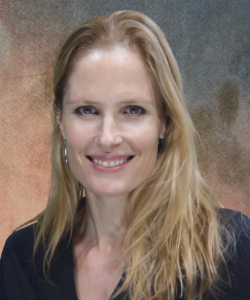
Kari is a senior faculty member of the AEDP Institute. In her private practice, she specializes in applying AEDP to the treatment of complex trauma and dissociation. For 14 years, Dr. Gleiser was the co-founder/co-director of the Center for Integrative Health in Hanover, NH, a trauma center dedicated to multi-modal healing of mind, body and spirit.
Dr. Gleiser has co-developed an “intra-relational” model of therapy that imports AEDP’s relational and experiential interventions to patients’ internal systems of dissociated self-states. Dr. Gleiser has written clinical papers and book chapters and presents internationally on trauma treatment. She also explores the intersection of psychotherapy and spirituality, as well as the emerging field of psychedelic-assisted psychotherapy. She now lives in Tuscany, Italy.
SELECT YOUR LOCATION & APPLY
Application deadline: December 31, 2026
Visit your country’s course page to view your International Immersion tuition and savings
Select Your Location
UNITED STATES & CANADA
Local Start Time
10:00 AM (Johannesburg)
5:00 AM (Rio)
10:00 AM EET
10:00 AM (Israel)
9:00 AM CET
9:00 AM CET
8:00 AM GMT
3:00 AM ET (New York)
Setting
Click here for the AEDP Live, Online Learning Requirements & FAQs
To be Eligible to Attend
Therapists must meet the following licensing requirements:
North America: Licensed mental health practitioners as well as therapists practicing under the license of a supervising professional.
Beyond North America: Mental health professionals who hold licensure equivalent to North American standards including ongoing affiliation with an organization responsible for issuing and overseeing mental health credentials in their country or region.
Important Notes:
Coaching and other non-psychotherapy specific licenses are not eligible.
If you’re unsure about the relevance of this course for you, or your eligibility, please contact admin@aedpinstitute.org with your credentials before registering.
Institute Sponsored Courses Including Immersion, Essential Skills, Advanced Skill Modules, Seminars/Webinars and Institute Sponsored Core Trainings
The AEDP Institute does not offer make-ups for missed course days. In the rare case where someone joins a course late, or misses a session in the middle of a course, the hour(s) or day(s) that person misses cannot be made up. Why? Group dynamics developed during a course are essential to the course’s success; so someone coming into a course for a short period of time is – regardless of their best intentions – disruptive to other participants and the course’s overall success. The Institute will, however, provide handouts from missed hours or days but will not allow a person to make up the hours or days they miss in another course.
AEDP Level credit: if a participant attends 80% or more of a course, the Institute will apply the course towards AEDP Level advancement
Click here for our refund and cancellation policy
Click here for our grievance policy
Disability Access: If you require ADA accommodations please contact Marilia Rodriguez, admin@aedpinstitute.org or call 813-553-1294 thirty days or more before the event so we can be sure to accommodate you.
Please contact Customer Service Administrator
Marilia Rodriguez
admin@aedpinstitute.org
813-553-1294
Office Hours: 9:00 AM – 5:00 PM Eastern (USA)