In Person with Diana Fosha, PhD | Nashville, TN | March 2027

Making Attachment Safe Again: Dyadic Healing ofAttachment Wounds
Dates: 2-Days: March 12 – 13, 2027
Times: 10:00 AM – 2:00 PM Central Time
11:00 AM–3:00 PM Eastern Time
Venue information coming soon
Course Description
Attachment wounds are made in relationship, and they heal in relationship. In this two-day AEDP workshop, Diana Fosha takes up a central question for attachment-informed therapy: how do we make attachment safe again for patients whose earliest relationships taught them it was not? The answer begins with undoing aloneness.
Participants will learn: co-creating safety; experiential work with here-and-now relational experience in the therapeutic dyad; processing relational trauma to transform attachment patterns; and using relational metaprocessing to solidify corrective relational experiences and expand patients’ receptive affective capacity, so they can feel seen, understood, cared for, and loved.
Clinical videotapes of actual therapeutic dyads will be used throughout.
Who should attend
This Seminar is for all levels: Beginner, Intermediate, Advanced
Seminar Overview
CEs are not provided through AEDP Institute.
For more information, please contact AEDP Tennessee Coordinator Molly Lubin-Fosha at molly@lubinfoshacounseling.com.
The AEDP® Model of Psychotherapy
The following statements describe the empirical foundation, accuracy, utility, scope, limitations, and clinical considerations relevant to the content presented in AEDP Courses.
Empirical Basis
AEDP® Psychotherapy is supported by peer-reviewed empirical research published in established scholarly journals. Effectiveness studies conducted within a practice research network demonstrate significant symptom reduction (e.g., depression, maladaptive negative cognitions, interpersonal functioning, experiential avoidance) and significant increases in positive indices of mental health (e.g., self-compassion, flourishing) across diagnostic presentations (Iwakabe et al., 2020), with longitudinal follow-up findings indicating maintenance of gains at six and twelve months (Iwakabe et al., 2022). These outcome studies evaluated a 16-session AEDP treatment protocol.
Additional empirical investigations examine therapeutic process variables associated with flourishing and metatherapeutic processing (Fosha & Thoma, 2020; Fosha, Thoma, & Yeung, 2019), as well as psychometric validation of measures assessing positive affective transformation, including the Moments of Flourishing Experience Scale (Fosha et al., 2024). Collectively, this body of outcome and process research provides empirical support for the clinical principles and interventions taught in AEDP Courses.
Accuracy, Utility, Scope and Limitations
AEDP is a transdiagnostic, transformation-oriented model of psychotherapy practiced with clients experiencing a wide range of psychological difficulties. Developed and primarily taught for individual psychotherapy, the model may be adapted by trained clinicians for work with couples, families, children, and groups when clinically appropriate; however, formal empirical research has focused primarily on its application in individual treatment.
AEDP was developed to address affective, relational, trauma-related, and depressive symptom presentations within an attachment-based, experiential framework. The empirical base is strongest for these domains, and findings from the 16-session research protocol should not be assumed to generalize automatically to all treatment formats, durations, or to individuals with severe or unstable psychiatric conditions.
AEDP was not designed as a first-line or stand-alone treatment for active psychotic disorders, bipolar disorder that is not medically stabilized, or active substance use disorders. In such cases, clinicians should ensure appropriate stabilization and integration with disorder-specific and medically coordinated care. As with all clinical models, effective application requires sound professional judgment, adherence to ethical standards, and practice within one’s scope of competence.
Ongoing Research
Current research continues to investigate the therapeutic processes and specific AEDP interventions associated with transformational change. In addition, AEDP-informed psychotherapy is being studied in collaboration with the Icahn School of Medicine at Mount Sinai within randomized controlled trials (RCTs) of psychedelic-assisted psychotherapy.
Risks and Clinical Considerations
As with all experiential and trauma-focused psychotherapies, potential risks include temporary increases in emotional distress, activation of traumatic memories, heightened affective arousal, interpersonal sensitivity, or destabilization if interventions are misapplied or insufficiently titrated. Severe risks are uncommon but may include significant dysregulation in vulnerable individuals if adequate screening, stabilization, and monitoring are not conducted. The model emphasizes careful attunement, pacing, and ongoing assessment to mitigate these risks.
Meet The Presenter: Diana Fosha, PhD

Diana Fosha, PhD, is the developer of AEDP® psychotherapy, a healing-based, transformation-oriented treatment model. And she is Founder and Director of the AEDP Institute where she also serves as Continuing Education Director. Since 2020, Diana has been active in promoting a scientific basis for a healing-oriented, attachment-emotion-transformation focused trauma treatment model. Fosha’s work focuses on integrating positive neuroplasticity, recognition science and developmental dyadic research into experiential and transformational clinical work with patients. Her most recent work focuses on promoting flourishing as a seamless part of the AEDP therapeutic process of transforming emotional suffering. Drawing on affective neuroscience, attachment theory, mother-infant developmental research, and research documenting the undreamed-of plasticity in the adult brain, AEDP is an experiential clinical practice which reflects the integration of science,research and practice in psychotherapy.
Tennessee AEDP Coordinator, Molly Lubin-Fosha, LPC-MHSP
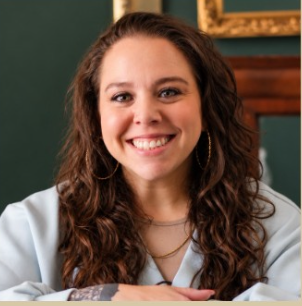
AEDP Tennessee Coordinator: Molly Lubin-Fosha, LPC-MHSP, is a trauma-focused psychotherapist, coach, and psychedelic-informed practitioner whose work centers on depth, integration, and meaningful change. She offers therapy intensives, retreats, and ketamine-assisted psychotherapy.
AEDP is the foundation of Molly’s work and the primary lens through which she understands people, relationships, and change—which may not be entirely surprising, since AEDP runs in the family. A Level 2 AEDP therapist, she is also trained in IFS, Brainspotting, and ketamine-assisted psychotherapy, drawing from these approaches alongside somatic, mindfulness, and nervous system-informed practices.
Molly works especially with shame, identity, chronic illness, neurodivergence, trauma, and major life transitions. She provides consultation for clinicians and organizations, with a focus on deepening clinical thinking, strengthening relational practice, and helping practitioners work more confidently with complexity.
Workshop Dates, Times & Setting
Please check all dates and times closely for conflicts with local holidays, religious holidays, etc.
Please double check the meeting time in your local time zone by visiting here.
Dates
Friday March 12, 2027
Saturday March 13, 2027
Times
10:00 AM – 2:00 PM CT
11:00 AM–3:00 PM ET
10:00 AM – 2:00 PM CT
11:00 AM–3:00 PM ET
Setting
click here for the AEDP Live, Online Learning Requirements & FAQ’s
Participant Registration & Fees
Member Registration
$499 USD
Early Bird: $399 USD
(Available through Dec 11, 2026)
Registration closes March 1, 2027
Non Member Registration
$499 USD
Early Bird: $399 USD
(Available through Dec 11, 2026)
Registration closes March 1, 2027
Scholarships
Limited scholarships are available. If you can attend with an extended payment plan instead of a scholarship, please email (Carolyn)
Eligibility Requirements
North America: Licensed mental health practitioners, as well as therapists practicing under the license of a supervising professional.
Important Note: Coaching licenses and other non-psychotherapy-specific licenses do not meet the eligibility requirements.
If you’re unsure about the relevance of this course for you, or your eligibility, please contact admin@aedpinstitute.org with your credentials before registering.