
Advance your AEDP work through Deliberate Practice
Presented by Natasha Prenn, LCSW, AEDP Senior Faculty
Recorded Saturday May, 2 2025
This training is eligible for 4.5 CE and consists of 2 Part(s)
Training Information and Requirements
Led by expert, AEDP Senior Faculty member, Natasha Prenn, this foundational training course introduces Deliberate Practice (DP) methodology for developing clinical expertise. Moving beyond the common misconception that expertise simply requires 10,000 hours of practice, this course demonstrates how quality-focused, structured practice leads to measurable skill improvement and clinical mastery.
The seminar progressively builds mastery through twelve foundational exercises, each targeting a specific therapeutic intervention. Each exercise provides step-by-step instructions focusing on essential clinical skills such as moment-to-moment tracking, working with anxiety and defenses, and facilitating experiential techniques like portrayals.
Key Research Findings:
Structured feedback and targeted skill development improve client outcomes
Deliberate practice enhances therapist effectiveness more rapidly than accumulated clinical hours alone
Online deliberate practice platforms show comparable effectiveness to in-person training
AEDP® INSTITUTE REGISTRATION AND LICENSE ACKNOWLEDGEMENT AND PROMISE OF CONFIDENTIALITY AND RESPECT.
By registering for this course you agree to all the terms of this license: you are purchasing a limited license to use and access the above-referenced content from the AEDP Institute and agreeing to the following terms.
This training is intended to be viewed only by licensed mental health professionals, individuals who hold an equivalent credential in their region, or those legally practicing under the license of a licensed clinician.
This content contains training in the theory and practice of AEDP and excerpts from or descriptions of actual clinical therapy sessions with patients, as well as descriptions of patients and their treatment. These patients have graciously and generously consented to this use of their experiences)
In return, as a professional, you have two important duties: Confidentiality and Respect.
CONFIDENTIALITY: By licensing and using this content, you are agreeing to keep this content confidential. You may use this content only for its intended educational and training purposes, and you agree not to disclose this content to others. DO NOT SHARE THIS CONTENT WITHOUT THE APPROPRIATE, ADDITIONAL WRITTEN PERMISSION. (If you want to share this content with others in what you believe is an appropriate professional setting, you must first obtain that additional written permission. To that end, or for related questions, please contact admin@AEDPInstitute.org).
RESPECT: As professionals, we share an ethic of respect for our patients and for each other. Please respect the patients who have allowed their therapists to share this content in this way and respect the decision they have made to reveal themselves so that you can learn how to help other patients more effectively. Therefore, even beyond any other legal obligation of confidentiality, you agree to treat this content the same way you would treat the experiences and records of your own patients. For example, do not view this content in a public place, or in some other way that would allow others to see or hear it. Do not share any information about the patients depicted in this content that might lead to someone identifying these patients.
Professionals also respect the work of their colleagues. Therefore, you are agreeing not to infringe the intellectual property contained in and constituted by this content. For example, do not copy this content or share or distribute it in any way without the appropriate written permission (see above).
You are also agreeing to respect the spirit in which your fellow professionals are offering this content. Psychotherapy is not an exact science, and patient responses and outcomes will always vary based on the individual and many other factors. Therefore, you are agreeing that you understand that the practices and techniques discussed in this content do not guarantee any particular patient outcome, and that the AEDP Institute and its advisors, faculty and staff (collectively, “the Institute”) are accepting no responsibility or liability whatsoever for any actions, omissions, injuries or damages by or of you or any third party. In addition, you agree that the Institute is not providing you with professional advice of any kind; does not owe you or your patients any expert, professional, heightened, special or fiduciary duty of any kind; and is not responsible for the statements or misstatements of others, intentional or otherwise.
IN NO EVENT WILL THE INSTITUTE, OR ANY PERSON OR ENTITY WITHIN THE INSTITUTE, OR DEPICTED IN THIS CONTENT BE LIABLE IN CONTRACT, IN TORT (INCLUDING FOR ITS OWN NEGLIGENCE) OR UNDER ANY OTHER LEGAL THEORY (INCLUDING STRICT LIABILITY) FOR ANY DAMAGES, INCLUDING, WITHOUT LIMITATION, DIRECT, INDIRECT, INCIDENTAL, SPECIAL, PUNITIVE, CONSEQUENTIAL, OR SIMILAR DAMAGES, LOST PROFITS OR REVENUES, LOSS OF USE, OR SIMILAR ECONOMIC LOSS, ARISING OUT OF THE USE OF, CONTENT IN, OR INABILITY TO USE, THE CONTENT YOU ARE LICENSING.
For questions, please email us at admin@aepdinstitute.org
By registering for this course you agree to all the terms of the above license.
AEDP Institute On-Demand trainings are available via online streaming and cannot be downloaded. A stable, high-speed internet connection is recommended to support optimal viewing quality.
This training is intended to be viewed only by licensed mental health professionals, individuals who hold an equivalent credential in their region, or those legally practicing under the license of a licensed clinician. As part of the registration process, participants will be asked to verify their professional status and attest that they meet the eligibility requirements before completing payment and accessing the materials.
The AEDP® Model of Psychotherapy
The following statements describe the empirical foundation, accuracy, utility, scope, limitations, and clinical considerations relevant to the content presented in AEDP Courses.
Empirical Basis
AEDP® Psychotherapy is supported by peer-reviewed empirical research published in established scholarly journals. Effectiveness studies conducted within a practice research network demonstrate significant symptom reduction (e.g., depression, maladaptive negative cognitions, interpersonal functioning, experiential avoidance) and significant increases in positive indices of mental health (e.g., self-compassion, flourishing) across diagnostic presentations (Iwakabe et al., 2020), with longitudinal follow-up findings indicating maintenance of gains at six and twelve months (Iwakabe et al., 2022). These outcome studies evaluated a 16-session AEDP treatment protocol.
Additional empirical investigations examine therapeutic process variables associated with flourishing and metatherapeutic processing (Fosha & Thoma, 2020; Fosha, Thoma, & Yeung, 2019), as well as psychometric validation of measures assessing positive affective transformation, including the Moments of Flourishing Experience Scale (Fosha et al., 2024). Collectively, this body of outcome and process research provides empirical support for the clinical principles and interventions taught in AEDP Courses.
Accuracy, Utility, Scope and Limitations
AEDP is a transdiagnostic, transformation-oriented model of psychotherapy practiced with clients experiencing a wide range of psychological difficulties. Developed and primarily taught for individual psychotherapy, the model may be adapted by trained clinicians for work with couples, families, children, and groups when clinically appropriate; however, formal empirical research has focused primarily on its application in individual treatment.
AEDP was developed to address affective, relational, trauma-related, and depressive symptom presentations within an attachment-based, experiential framework. The empirical base is strongest for these domains, and findings from the 16-session research protocol should not be assumed to generalize automatically to all treatment formats, durations, or to individuals with severe or unstable psychiatric conditions.
AEDP was not designed as a first-line or stand-alone treatment for active psychotic disorders, bipolar disorder that is not medically stabilized, or active substance use disorders. In such cases, clinicians should ensure appropriate stabilization and integration with disorder-specific and medically coordinated care. As with all clinical models, effective application requires sound professional judgment, adherence to ethical standards, and practice within one’s scope of competence.
Ongoing Research
Current research continues to investigate the therapeutic processes and specific AEDP interventions associated with transformational change. In addition, AEDP-informed psychotherapy is being studied in collaboration with the Icahn School of Medicine at Mount Sinai within randomized controlled trials (RCTs) of psychedelic-assisted psychotherapy.
Risks and Clinical Considerations
As with all experiential and trauma-focused psychotherapies, potential risks include temporary increases in emotional distress, activation of traumatic memories, heightened affective arousal, interpersonal sensitivity, or destabilization if interventions are misapplied or insufficiently titrated. Severe risks are uncommon but may include significant dysregulation in vulnerable individuals if adequate screening, stabilization, and monitoring are not conducted. The model emphasizes careful attunement, pacing, and ongoing assessment to mitigate these risks.
Course Content Level: Beginner
This training is eligible for 4.5 CE and consists of 2 Part(s); viewing all parts is required for completion.
Requirement for CE:
a. Completion of all parts of the training
b. Purchase CE, which includes the post test ($25.00)
c. Achieve a minimum score of 80% within three attempts
d. Upon completing and submitting the course evaluation, the CE certificate will be immediately available for download
Please note that it is the responsibility of the licensee to check with their individual state board to verify CE requirements for their state and reciprocal approvals.
Continuing education applications may be underway for various national and state-level boards and agencies. Please check back for updated approvals or email admin@aedpinstitute.org with questions.
Disclosure
All planners and presenters have disclosed that they have no relevant financial relationships with ineligible companies. There is no commercial support for this program nor are there any relationships between AEDP Institute, the presenter, program content, research, grants, or other funding that could reasonably be construed as conflicts of interest.
Continuing Education (CE) Approvals
Association of Social Work Boards (ASWB)
AEDP Institute, provider #2307, is approved as an ACE provider to offer social work continuing education by the Association of Social Work Boards (ASWB) Approved Continuing Education (ACE) program. Regulatory boards are the final authority on courses accepted for continuing education credit. ACE provider approval period: October 31, 2025 – October 31, 2026. Social Workers completing the training and CE requirements will receive 4.5 continuing education credits.
New York Psychologists
AEDP Works, LLC is recognized by the New York State Education Department’s State Board for Psychology as an approved provider of continuing education for licensed psychologists #PSY-0256. AEDP Works, LLC maintains responsibility for this program and its content. This training is approved for 4.5 continuing education credits
New York Social Workers
AEDP Works, LLC is recognized by the New York State Education Department’s State Board for Social Work as an approved provider of continuing education for licensed social workers #SW-0805. This training is approved for 4.5 continuing education credits.
National Board for Certified Counselors (NBCC)
AEDP Works, LLC has been approved by NBCC as an Approved Continuing Education Provider, ACEP No. 7622. Counselors in all states except NY and MFTs in all states except NY and MA are eligible. This training is approved for 4.5 continuing NBCC credits.
Meet the Presenter Natasha Prenn, LCSW, AEDP Senior Faculty
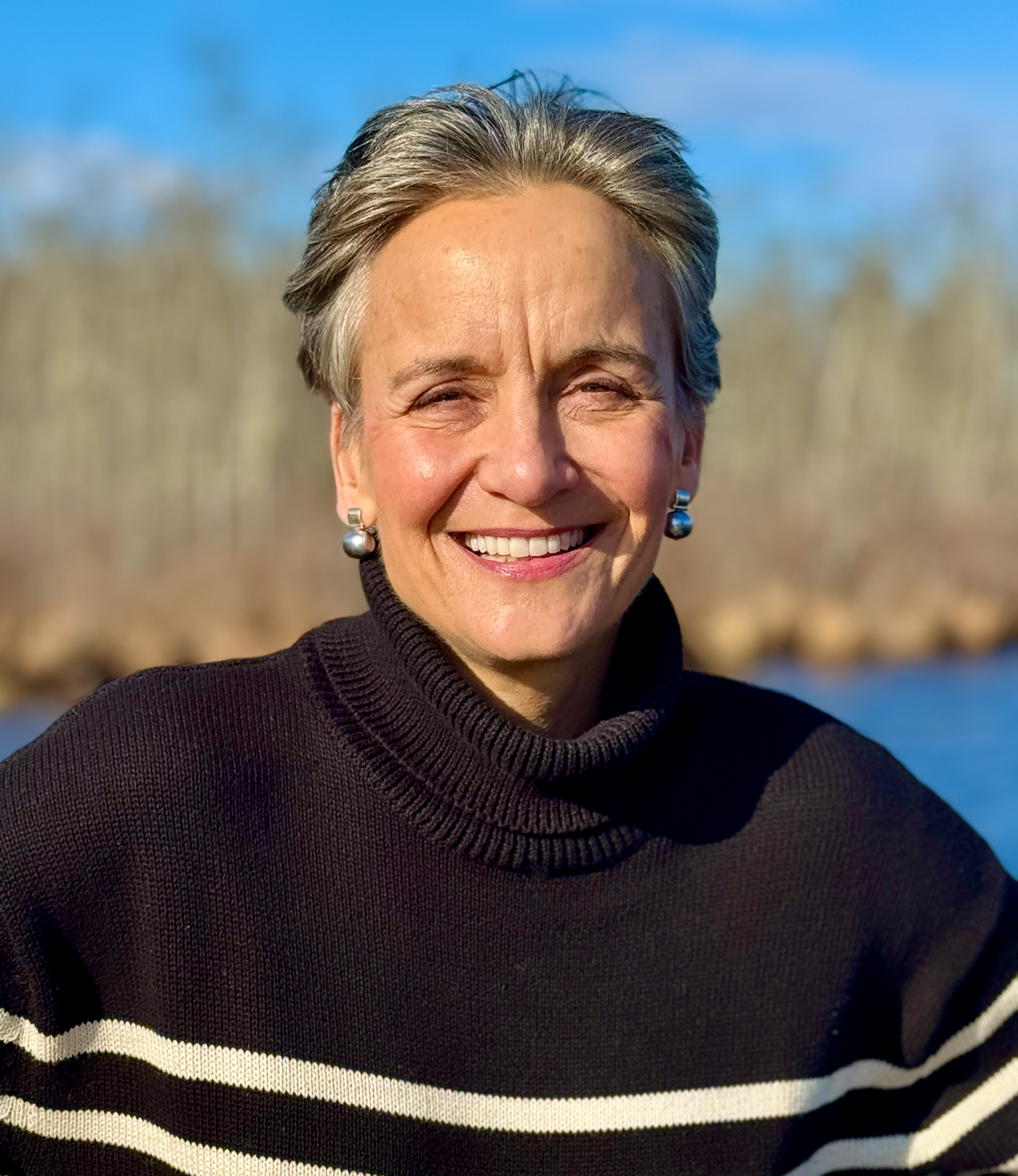
Natasha Prenn, LCSW, is a psychotherapist, speaker, educator, author and life coach. As a senior faculty member of the AEDP Institute (Accelerated Experiential Dynamic Psychotherapy), she pioneered the AEDP Essential and Advanced Skills Courses, and is well known as a therapists’ therapist across the U.S. and abroad.
Natasha, an engaging presenter, is noted for her ability to translate AEDP theory into user-friendly steps, and for her enthusiastic belief that the mechanisms of the magic of experiential-dynamic work are teachable and therefore learnable skills. Her obsession with languaging interventions and skills training has led to her co-authoring a monograph for APA: Supervision Essentials for Accelerated Experiential Dynamic Psychotherapy.This book, which Natasha wrote with Diana Fosha, is filled with practical skills to wield the power of AEDP’s theory and practice into psychotherapy supervision.
Eligibility for On Demand Access
Course Content Level: All levels
North America: Licensed mental health practitioners as well as therapists practicing under the license of a supervising professional.
Beyond North America: Mental health professionals who hold licensure equivalent to North American standards including ongoing affiliation with an organization responsible for issuing and overseeing mental health credentials in their country or region.
Important Notes:
Coaching and other non-psychotherapy specific licenses are not eligible.
If you’re unsure about the relevance of this course for you, or your eligibility, please contact admin@aedpinstitute.org with your credentials before purchasing on demand access.
Video Information
Times
Your access to the video has no expiration date
Video Access
Access will be on your confirmation email
Setting
Online- view at your convenience
You will need a private space with a reliable Internet connection
Registration, Fees & Scholarships
Non-Member
Registration
$149
Institute Members – please login below to receive your discount
Scholarships
Attendance and Make up Policy
Institute Sponsored Courses Including Immersion, Essential Skills, Advanced Skill Modules, Seminars/Webinars and Institute Sponsored Core Trainings
The AEDP Institute does not offer make-ups for missed course days. In the rare case where someone joins a course late, or misses a session in the middle of a course, the hour(s) or day(s) that person misses cannot be made up. Why? Group dynamics developed during a course are essential to the course’s success; so someone coming into a course for a short period of time is – regardless of their best intentions – disruptive to other participants and the course’s overall success. The Institute will, however, provide handouts from missed hours or days but will not allow a person to make up the hours or days they miss in another course.
AEDP Level credit: if a participant attends 80% or more of a course, the Institute will apply the course towards AEDP Level advancement
Refunds and Cancellations
Click here for our refund and cancellation policy
Important Links
Privacy Policy
Click here to see our AEDP® Privacy Policy
Anonymous Suggestions or Grievances
Click here for our grievance policy
ADA
Disability Access: The AEDP Institute is committed to providing accessible and inclusive learning environments.
While our live online courses generally include closed captioning, advance access to course materials, and regular breaks to support a range of learning needs, all participants with visible or invisible disabilities are encouraged to contact us at least 30 days prior to a course start date to discuss accommodation needs. We are committed to working collaboratively and in compliance with applicable law to provide reasonable accommodations.
To begin a confidential conversation, please contact:
Marilia Rodriguez
AEDP Community Relations
admin@aedpinstitute.org | 813-553-1294
Questions
Please contact Customer Service Administrator
Marilia Rodriguez
admin@aedpinstitute.org
813-553-1294
Office Hours: 9:00 AM – 5:00 PM Eastern (USA)